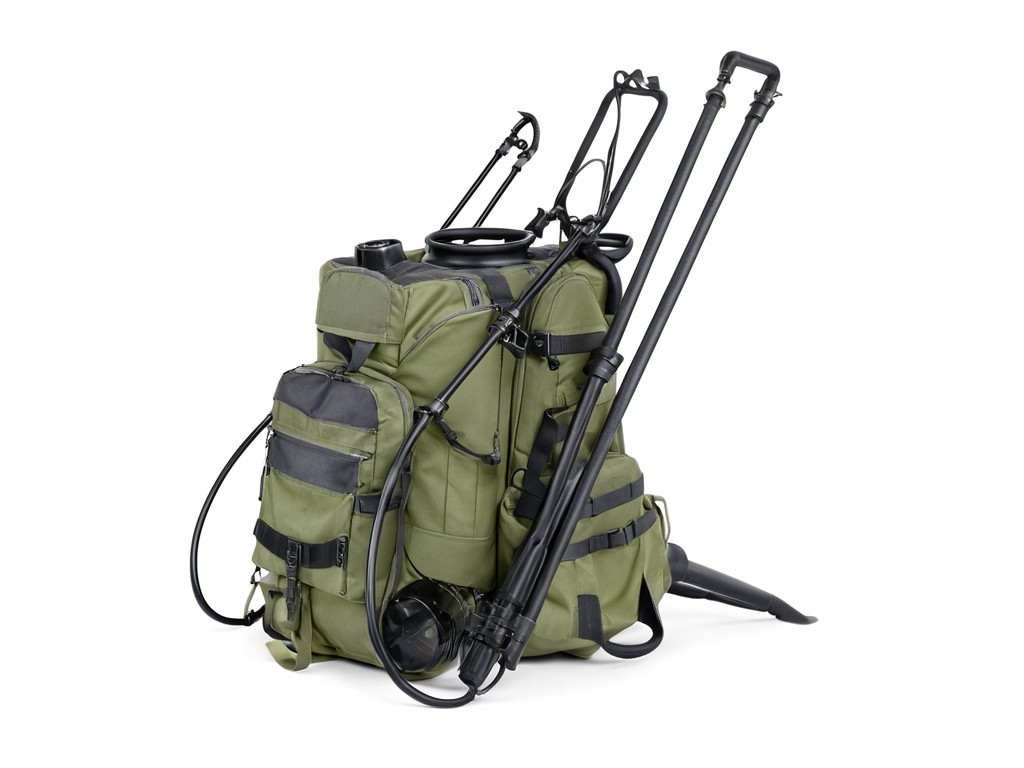
manual agricultural backpack sprayer suppliers: Specification, Ordering and Quality Notes
Consistency is set at the forming stage. In the manual backpack sprayer category, the variance in unit cost between suppliers rarely stems from raw material price fluctuations, but from the precision of the blow-molding process and the efficiency of the assembly line. A supplier using high-tonnage blow molding machines can maintain tank wall thickness within a 0.1 mm tolerance across a 10,000-unit run, whereas smaller facilities often struggle with material flow, resulting in thin spots that compromise structural integrity under pressure. For a retail buyer aiming to lower the cost per unit sold, this precision is critical; a tank that fails its pressure test in the warehouse incurs return processing fees, customer service overhead, and brand reputation damage that far exceed the 5-8% savings offered by a lower bid from an inconsistent manufacturer.
The build method decides the long-term service life of the pump mechanism, which is the primary driver of repeat purchases in the agricultural hand-tool sector. Most manual sprayers utilize a piston pump system where the rubber seal and the metal rod are the wear components. The choice between a standard neoprene seal and a synthetic fluorocarbon blend determines whether the sprayer holds pressure for two seasons or five. Suppliers who outsource pump assembly to third-party vendors often introduce variability in torque application during the sealing process. In contrast, integrated production lines that mold the tank, assemble the pump, and test the unit in a single facility can standardize the tightening torque to 1.5-2.0 Nm, ensuring that the seal compresses evenly against the tank neck. This consistency reduces the incidence of weeping leaks, the most common reason for post-purchase returns in this category.
What the Design Has to Balance
A manual agricultural backpack sprayer is a pressure vessel designed for intermittent human-powered operation. The design challenge lies in balancing tank capacity against the physical load a farmer can comfortably carry for extended periods. While larger tanks (20L+) reduce the frequency of refills, they increase the weight of the water-chemical mixture, leading to faster user fatigue and potential ergonomic strain. Most commercial bulk orders settle on the 16L to 18L range, where the weight of a full load remains manageable for 4-6 hours of continuous use. The supplier’s role here is not just to provide a container, but to optimize the center of gravity. A well-designed backpack frame shifts the weight load to the hips rather than the shoulders, a feature that significantly impacts user retention and brand loyalty in competitive retail markets.
Ergonomics intersect with mechanical function at the trigger mechanism. The trigger must provide sufficient force to actuate the pump while remaining sensitive enough for precise application. If the spring tension is too high, users report hand fatigue after 30 minutes; if too low, the spray pattern becomes inconsistent, leading to uneven chemical coverage. The working principle relies on a double-action pump: the upward stroke of the piston draws air into the tank to pressurize the mixture, and the downward stroke forces liquid through the nozzle. This dual function means the pump rod must withstand constant torsional and compressive loads. Suppliers who use stainless steel rods with PTFE-coated guides extend the operational lifespan to 20,000+ cycles, whereas carbon steel rods with standard grease often corrode or seize within the first year of exposure to alkaline herbicides.
How It Performs in Use
Process choice shows up later as the difference between a product that works and one that fails in the field. Under real use conditions, the sprayer is subjected to UV radiation, abrasive dirt, and corrosive chemical residues. The tank material, typically high-density polyethylene (HDPE), must resist yellowing and embrittlement caused by prolonged sun exposure. Suppliers using HDPE with UV stabilizers added during the extrusion process can maintain structural integrity for 3-5 years of outdoor storage, while unstabilized material becomes brittle and cracks at the weld lines after 12 months. The hose material also plays a critical role; standard PVC hoses degrade quickly when exposed to glyphosate-based herbicides, leading to leaks or burst hoses. Reinforced polyurethane hoses offer superior chemical resistance and abrasion tolerance, justifying the 15-20% higher component cost for professional-grade units.
Pressure maintenance is the key metric for performance. A high-quality sprayer should maintain a pressure of 2.0-2.5 bar after 10 minutes of pumping, with a pressure drop of less than 0.1 bar over 24 hours. This indicates a tight seal and a flexible diaphragm. In lower-cost variants, the diaphragm stiffens over time, requiring more force to build pressure and reducing the spray range. The nozzle assembly must also handle clogging; a self-cleaning nozzle design that prevents debris from entering the orifice is essential for use in grassy or leafy environments. Buyers should specify the nozzle thread type (typically M14x1.5) and ensure the supplier provides a variety of tip sizes (cone and fan patterns) in the retail pack, as this adds value without significantly increasing the manufacturing cost.
Material Options and Their Trade-offs
Material Impact on Service Life
Selecting HDPE with a minimum molecular weight of 150,000 g/mol increases impact resistance by 40% compared to standard grades, reducing crack initiation from dropped tanks. For the pump seal, fluorocarbon rubber (FKM) costs 3x more than neoprene but resists swelling in chlorinated solvents, extending replacement intervals from 12 to 36 months.
| Component | Standard Option | Premium Option | Trade-off Analysis |
|---|---|---|---|
| Tank Material | HDPE, unstabilized | HDPE, UV stabilized | Premium adds ~$0.30/unit; prevents embrittlement and cracking in tropical climates. |
| Pump Seal | Neoprene | FKM (Viton) | FKM adds ~$0.15/unit; crucial for compatibility with strong alkaline herbicides. |
| Hose Material | PVC | Polyurethane (PU) | PU adds ~$0.25/unit; higher abrasion resistance and flexibility in cold weather. |
| Backpack Frame | Soft fabric only | Reinforced plastic shell | Shell adds ~$0.40/unit; improves weight distribution and tank protection. |
How to Choose Before Requesting a Quote
Before engaging a supplier, define the exact chemical compatibility requirements of your target market. If the sprayers will be used with glyphosate or paraquat, the internal components must be inert. Request a material compatibility chart from the supplier, specifically for the tank, hose, and seal materials. Verify that the supplier can provide test data showing no swelling, hardening, or cracking after 72 hours of immersion in the specific chemical concentrations used in your region. This due diligence prevents costly recalls and liability issues.
Assess the supplier’s quality control infrastructure. Ask for their inspection standards for pre-shipment quality control (PSQC). A reliable supplier will perform pressure testing on 100% of units, not just a sample. They should also check the trigger mechanism for smooth operation and the nozzle for clogging. Request a sample approval process that includes a wear test, where the pump is cycled 500 times to check for seal degradation. This proactive approach ensures that the mass production run meets the performance benchmarks established in the prototype phase.
Buying Mistakes That Lead to Returns
- Ignoring the nozzle thread standard. Ordering nozzles with a different thread size than the sprayer body leads to immediate leakage and customer dissatisfaction. Always specify M14x1.5 or verify local market standards.
- Underestimating the importance of the shoulder strap padding. Thin foam padding wears out quickly, causing discomfort and reducing the perceived quality of the product. Specify high-density foam with a minimum thickness of 15mm.
- Neglecting the pressure gauge calibration. Inaccurate gauges mislead users about the tank pressure, leading to inefficient spraying. Ensure the gauge is calibrated to +/- 5% accuracy during production.
- Specifying generic "plastic" without defining the grade. This allows suppliers to use recycled or low-grade HDPE, which is more prone to cracking and staining. Always specify virgin HDPE with a specified molecular weight.
Who Uses It and Where It Matters
Smallholder farmers in developing regions are the primary users of manual backpack sprayers. In these markets, cost sensitivity is high, but durability is non-negotiable due to the lack of access to replacement parts. A sprayer that fails after one season forces the farmer to purchase a new unit, whereas a durable unit lasts 3-5 years. For importers targeting these markets, the focus should be on ease of maintenance and the availability of spare seals and hoses. Designing the pump for easy disassembly allows users to clean and replace seals without specialized tools, extending the product life significantly.
Professional horticulturalists and landscape contractors represent another key segment. These users require precise spray patterns and consistent pressure for controlled chemical application. They value the ergonomic design and the quality of the trigger mechanism. For this segment, premium materials and a robust backpack frame are justified by the higher usage intensity and the need for professional reliability. Understanding these distinct user profiles allows buyers to tailor the specification and pricing strategy to maximize margins in each market segment.
Working as a Production Partner, Not a Catalogue Supplier
OEM and ODM services allow buyers to differentiate their brand in a crowded market. A true production partner offers design modifications, such as custom color tanks, logo embossing, and ergonomic adjustments to the trigger or straps. They can also provide technical advice on material selection to meet specific chemical compatibility needs. This collaborative approach reduces the risk of product failure and builds a long-term partnership. In contrast, catalogue suppliers offer limited customization and minimal technical support, leaving the buyer to solve design and quality issues independently.
When working with an OEM partner, establish clear communication channels for design reviews and sample approvals. Request regular updates on production progress and quality control reports. A reliable supplier will provide photos of the production line, inspection reports, and packing details. This transparency builds trust and ensures that the final product meets the agreed specifications. By treating the supplier as a partner rather than a vendor, buyers can achieve better cost efficiencies, faster lead times, and higher product quality.
Capacity, Tooling and Scheduling
Manufacturing capacity varies significantly among suppliers. A typical medium-sized factory can produce 50,000-100,000 units per month, depending on the complexity of the design and the availability of materials. Lead times for standard orders are usually 30-45 days from the receipt of the deposit. For custom orders requiring new tooling, add 15-20 days for mold making and testing. It is essential to align the production schedule with the seasonal demand for agricultural equipment, which peaks before the planting and harvesting seasons.
Tooling costs for custom molds range from $5,000 to $15,000, depending on the number of cavities and the complexity of the design. This investment is amortized over the order volume, so larger orders reduce the per-unit cost of tooling. Suppliers often offer mold ownership to the buyer, allowing for future reorders without additional tooling fees. When negotiating terms, clarify the ownership of the molds and the conditions for their use. This ensures that the buyer retains control over the product design and can switch suppliers if necessary without incurring new tooling costs.
Initiate Specification Review
To determine the optimal configuration for your target market and cost structure, send your technical requirements for a detailed specification review. We will analyze your chemical compatibility needs, ergonomic preferences, and volume targets to provide a precise quote and lead time estimate.
Contact our engineering team to discuss your project: Request Technical Consultation.



