Lufenuron 84
CAS No.: 103055-07-8 Molecular formula: C17H8Cl2F8N2O3 Molecular weight: 511.15 Melting point174.1°Density1.631±0.06 g/cm3(Predicted)Vapor pressure
Lufenuron Product Information
- CAS No.: 103055-07-8
- Molecular formula: C17H8Cl2F8N2O3
- Molecular weight: 511.15
Lufenuron Properties
Melting point | 174.1° |
Density | 1.631±0.06 g/cm3(Predicted) |
Vapor pressure | <0.4 x10 -3 Pa (25 °C) |
Flash point | 170 °C |
Storage temperature | 0-6°C |
Solubility | 100mg/L in organic solvents at 20 ℃ |
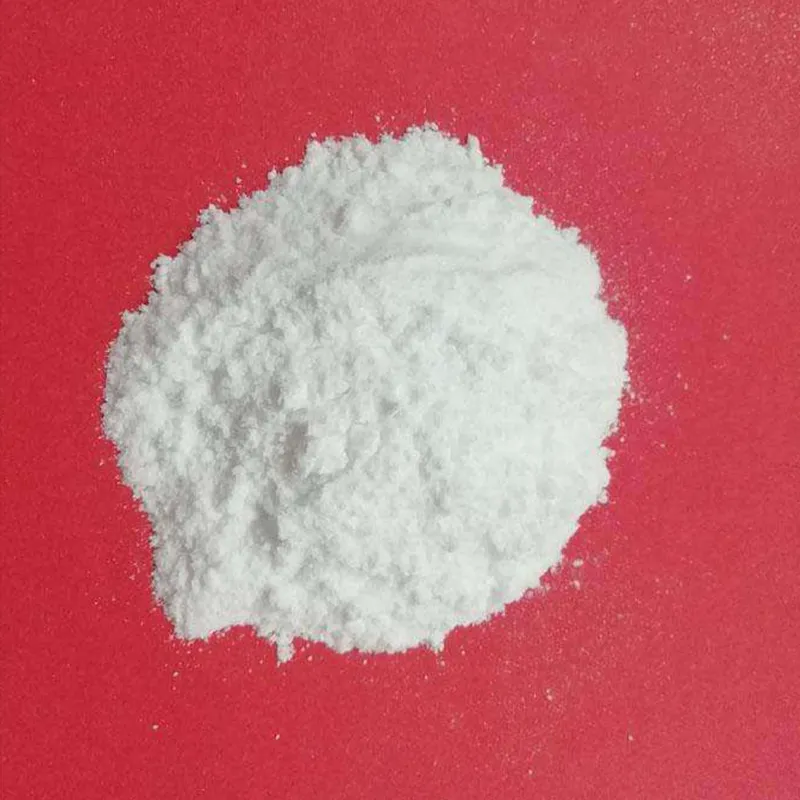
Form | Solid |
pKa | 8.49±0.46(Predicted) |
Water solubility | <0.06 mg l-1(25 °C) |
Color | Off-white to light yellow |
Lufenuron Risk and Safety Information
GHS symbols |
|
Signal word | Warning |
Hazard codes | Xi;N,N,Xi |
RIDADR | 3077 |
WGK Germany | 2 |
Hazard class | 9 |
Packing group | III |
HS code | 29242990 |


Lufenuron Chemical Properties and Uses
Description
Lufenuron is a benzoylphenyl urea insect development inhibitor. In cats and dogs, it acts against fleas that feed on treated animals and are exposed to lufenuron in the host’s blood. Lufenuron is also present in adult flea feces, where it can be ingested by flea larvae. These routes of exposure prevent flea eggs from hatching, helping to reduce flea larval populations. Due to its lipophilicity, lufenuron is deposited in animals’ adipose tissues and released gradually into the bloodstream, maintaining effective blood concentrations over the recommended oral dosing interval of 1 month.
Uses
Lufenuron is used to control Lepidoptera and Coleoptera larvae on cotton, maize and vegetables, as well as citrus whitefly and rust mites on citrus fruit. Other uses include flea control on pets and cockroach control in houses. It is approved for flea population control in dogs and cats 6 weeks of age and older.
Available Lufenuron Formulations
Our supply includes the following lufenuron technical material, single-ingredient formulations and mixtures:
- Lufenuron 98% TC
- Lufenuron 97% TC
- Lufenuron 96% TC
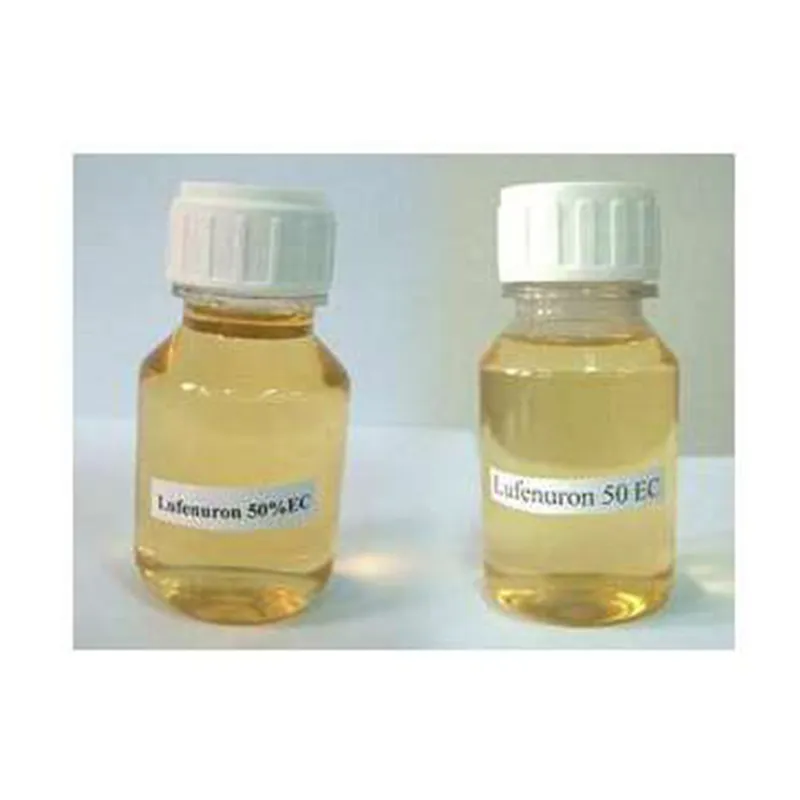
- Lufenuron 50G/L EC
- Lufenuron 5% SC
- Lufenuron 5% ME micro emulsion
- Lufenuron 10% SC
- Lufenuron 60% WDG
- Lufenuron 100 G/L EC
- Lufenuron 10% WDG
- Clothianidin 320 G/L + Lufenuron 80 G/L SC
- Chlorfenapyr 24% + Lufenuron 6% SC
- Thiamethoxam 10% + Lufenuron 10% SC
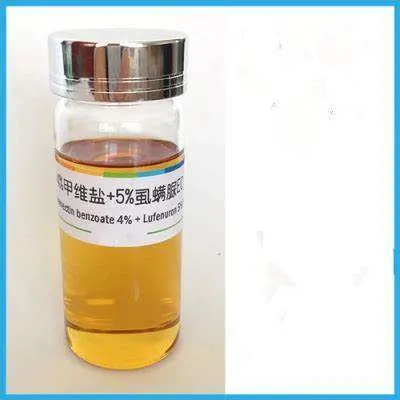
- cAbamectin-aminomethyl 4.4% + Lufenuron 40% WDG



