Flubendiamide
CAS No.: 272451-65-7 Molecular formula: C23H22F7IN2O4S Molecular weight: 682.39 Melting point218-221 °CBoiling point578.6±50.0 °C (predicted)Density1.615±0.06 g/cm3 (predicted)Storage
Flubendiamide: Product Identity
- CAS No.: 272451-65-7
- Molecular formula: C23H22F7IN2O4S
- Molecular weight: 682.39
Flubendiamide Properties
Melting point | 218-221 °C |
Boiling point | 578.6±50.0 °C (predicted) |
Density | 1.615±0.06 g/cm3 (predicted) |
Storage temperature | -20°C freezer |
Solubility | DMSO (slightly), methanol (slightly) |
pKa | 11.59±0.70 (predicted) |
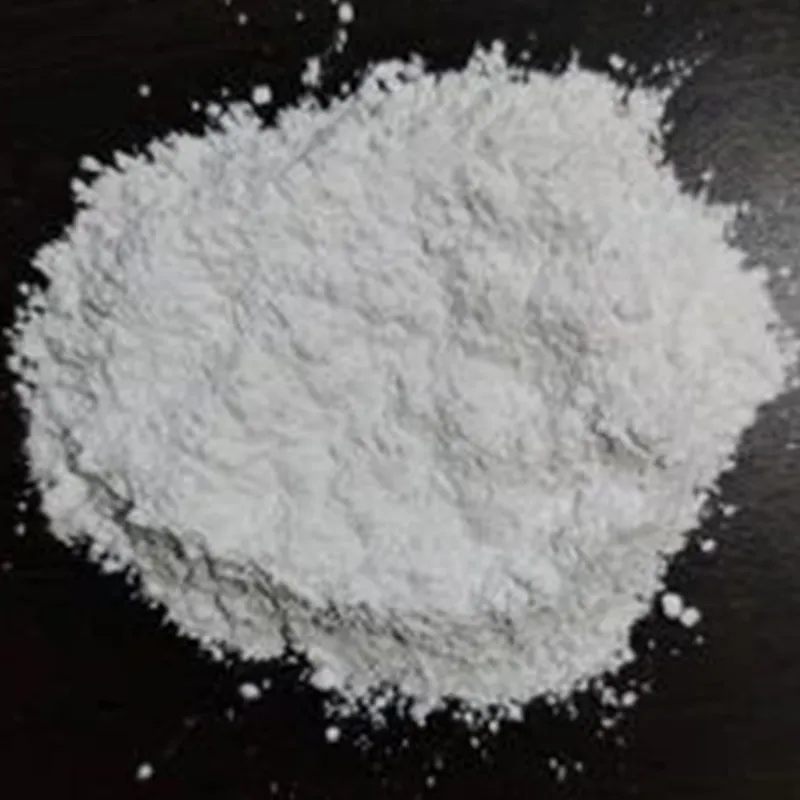
Color | White to off-white |
Flubendiamide Risk and Safety Information
GHS symbol |
|
Signal word | Warning |
Hazard statement | H410 |
Precautionary statements | P273-P391-P501 |
RID/ADR | UN 3077 9 / PGIII |
WGK Germany | 1 |

Flubendiamide Chemical Properties and Uses
Flubendiamide is an organofluorine insecticide in the phthalic acid diamide family. It is used to control lepidopteran pests on a range of annual and perennial crops. As a benzenedicarboxamide derivative, it has selective insecticidal activity against lepidopterous insects. Its effects on ryanodine binding in insect muscle microsomal membranes indicate that the ryanodine receptor (RyR) calcium-release channel is a primary target.
The active ingredient has been reported to provide control of lepidopterous pests in crops including tomato and to target immature stages of these pests. Flubendiamide acts as a ryanodine receptor modulator and is functionally related to a phthalamide. It may also serve as an analytical reference standard for measuring residues in fruits and vegetables using HPLC-UV or HPLC coupled with tandem mass spectrometry (MS/MS).
Flubendiamide is classified as the first member of IRAC Group 28, the ryanodine receptor modulator group. Its mode of action and reported biological and ecological profile make it a potential option for inclusion in insect resistance management and integrated pest management programs targeting lepidopteran insects.
Flubendiamide Products on the Market
- Flubendiamide 95% TC
- Flubendiamide 96% TC
- Flubendiamide 10% SC
- Flubendiamide 20% WDG



