Chlorfenapyr 81
Molecular formula: C15H11BrClF3N2O Molecular weight: 407.61 Melting point91–92° Boiling point443.5±45.0 °C (predicted) Density1.53±0.1 g/cm3 (predicted) Storage temperatureSealed, dry, at 2–8°C Water
Chlorfenapyr
Molecular Information
- Molecular formula: C15H11BrClF3N2O
- Molecular weight: 407.61
Chlorfenapyr Properties
Melting point | 91–92° |
Boiling point | 443.5±45.0 °C (predicted) |
Density | 1.53±0.1 g/cm3 (predicted) |
Storage temperature | Sealed, dry, at 2–8°C |
Water solubility | Insoluble in water |
Solubility | DMSO: 250 mg/mL (613.33 mM) |
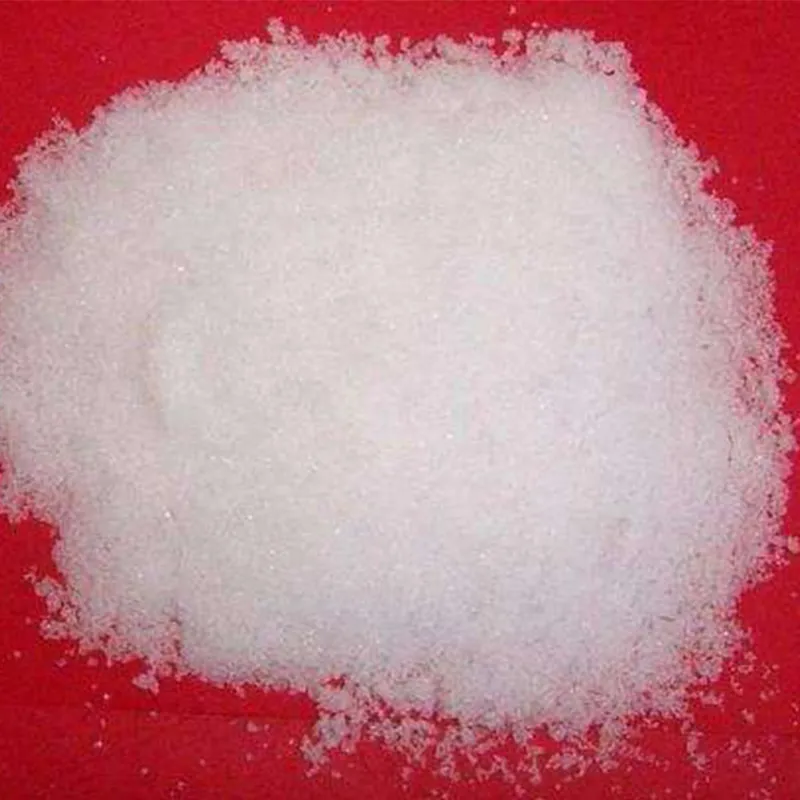
Form | Solid |
pKa | -18.00±0.70 (predicted) |
Color | White to almost white |
Risk and Safety Information
GHS symbols |
|
Signal word | Danger |
Hazard codes | T;N,N,T |
RID/ADR | UN 2811 |
WGK Germany | 3 |
HS code | 2933.99.1701 |


Chemical Properties and Uses
Chlorfenapyr is a broad-spectrum pesticide and a halogenated pyrrole-based pro-insecticide. It is metabolized into an active insecticide after entering the host and has been used primarily for pest control on cotton. The compound also has applications as an insect-proofing agent for wool and has been investigated for use in malaria control.
Regulatory approvals and permitted uses vary by region. The source information states that chlorfenapyr is not approved for use in the EU and is registered in the U.S. for limited applications, including foliar spraying in commercial greenhouses on ornamental crops. Listed target pests include mites, caterpillar pests, thrips and fungus gnats; food use is not permitted in the U.S. The source also notes that the compound was originally rejected for FDA approval due to avian and aquatic toxicity.
Human toxicity data are described as limited. The source reports moderate mammalian toxicity following oral exposure and vacuolation of the nervous system in mice and rats. It also describes chlorfenapyr as having low aqueous solubility and not persisting in ecosystems. Always verify current local regulations and product labels before use.
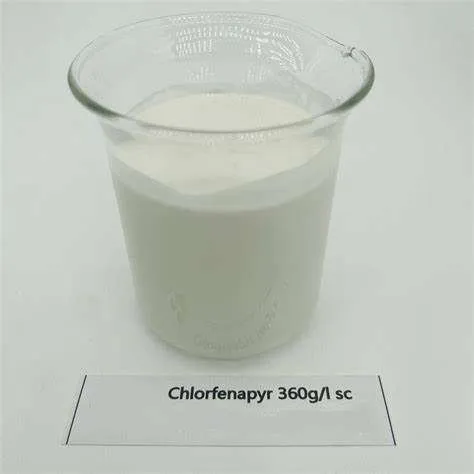
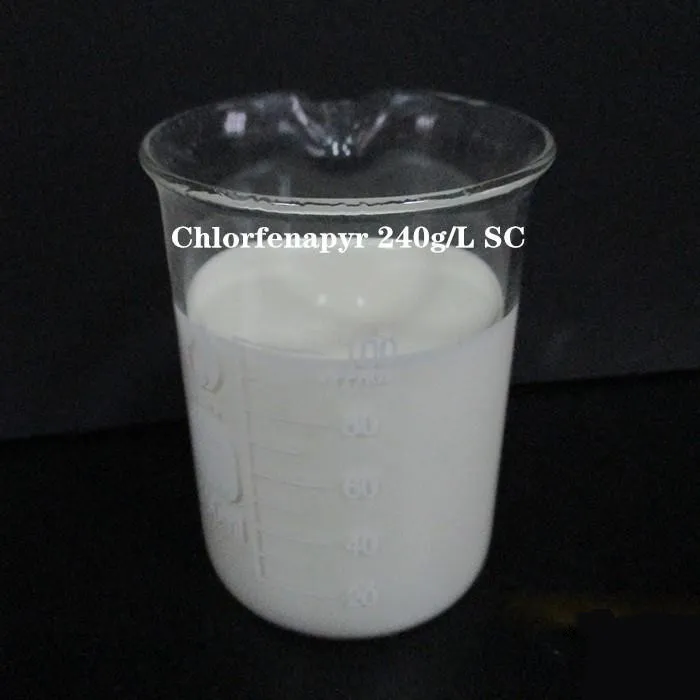
Available Chlorfenapyr Formulations
Our supply includes the following technical materials, single-active formulations and combination products:



