Chlorantraniliprole 104
CAS No.: 500008-45-7Molecular Formula: C18H14BrCl2N5O2Molecular Weight: 483.15Chlorantraniliprole PropertiesMelting point: approximately 225℃ (dec.)Boiling point: 526.6±50.0 °C (predicted)Density:
CAS No.: 500008-45-7
Molecular Formula: C18H14BrCl2N5O2
Molecular Weight: 483.15
Melting point: approximately 225℃ (dec.)
Boiling point: 526.6±50.0 °C (predicted)
Density: 1.66±0.1 g/cm3 (predicted)
Storage temperature: 2-8°C
Solubility: slightly soluble in chloroform and DMSO
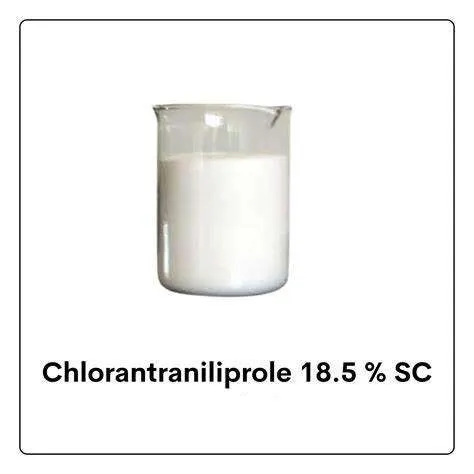
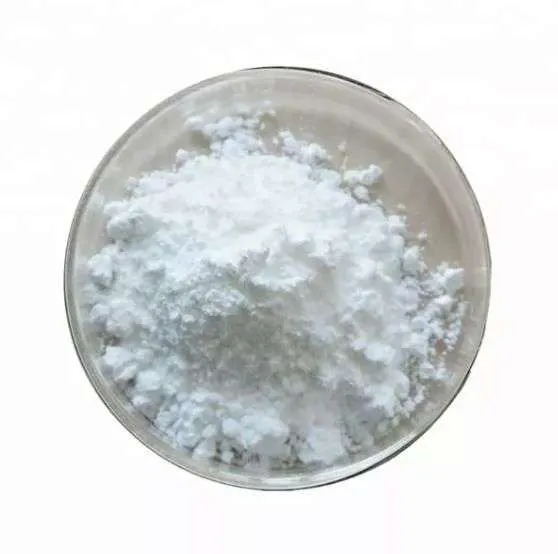
Form: solid
pKa: 10.19±0.70 (predicted)
Color: white to off-white
LogP: 3.641 (estimated)
CAS DataBase Reference: 500008-45-7
Symbol (GHS) |
|
Signal word | Warning |
Hazard statements | H410 |
Hazard Codes | Xn |

Chlorantraniliprole is an insecticide in the ryanoid class and a compound developed by DuPont. It belongs to the anthranilic diamide class of selective insecticides and has a novel mode of action, classified as Group 28 by IRAC. It was the first anthranilic diamide registered for use on turfgrass and landscape ornamentals. Chlorantraniliprole is used to control a broad spectrum of pests, including cabbage loopers, corn borers, Colorado potato beetle, European grapevine moth, armyworms, and cutworms, across crops such as potatoes and cotton. Its mode of action involves activating insect ryanodine receptors (RyRs), stimulating the release and depletion of intracellular calcium stores in the sarcoplasmic reticulum of muscle cells. This disrupts muscle regulation, leading to paralysis and ultimately death in sensitive species.
Agricultural formulations containing chlorantraniliprole are used to control moths, beetles, caterpillars, and other insect pests.
The material is described as a white crystal, with a specific gravity (for liquid) of 1.507g/mL, melting point of 208-210℃, and decomposition temperature of 330℃. Vapor pressure (under 20~25) is 6.3×10¹²Pa. Solubility (under 20~25, mg/L): water 1.023, acetone 3.446, methanol 1.714, acetonitrile 0.711, and ethyl acetate 1.144. Chlorfenvinphos is described as highly efficient and broad-spectrum, with good control of Lepidoptera, including Noctuidae, stem borer moths, fruit moths, leaf roller moths, pink moths, vegetable moths, wheat moths, and fine moths. It can also control Sphingidae weevils and leaf beetles; Diptera subterranean flies; sooty fly; and other non-lepidopteran pests.
Chlorantraniliprole is a pyrazolylpyridine insecticide and an activator of insect ryanodine receptors.



