Specifying china crop-safe molluscicide bait supplier for Wholesale and OEM Orders
The Problem Buyers Keep Paying For
Inconsistent bait performance forces repeat purchases and erodes margin.
When field moisture exceeds 30 % the carrier can dissolve before the active ingredient reaches the target, leading to premature loss of efficacy and non‑target exposure; buyers then face rejected loads and costly re‑treatments.
How to Choose Before Requesting a Quote
Selection starts with matching the matrix to the crop calendar.
| Field Condition | Common Failure | Preventive Spec |
|---|---|---|
| High humidity (≥30 % RH) | Carrier disintegration, active loss | Water‑resistant polymer binder, ≤5 % moisture uptake |
| Early‑season application | Non‑target toxicity to seedlings | Low‑leach active coating, ≤0.2 % leach in 24 h |
| Mechanical spreading | Uneven distribution, gaps | Particle size 2–4 mm, 95 % within range |
The table links each field condition to the failure mode most reported by growers and the matrix property that prevents it; specifying the correct moisture‑resistance grade and particle‑size window eliminates the need for post‑delivery adjustments.
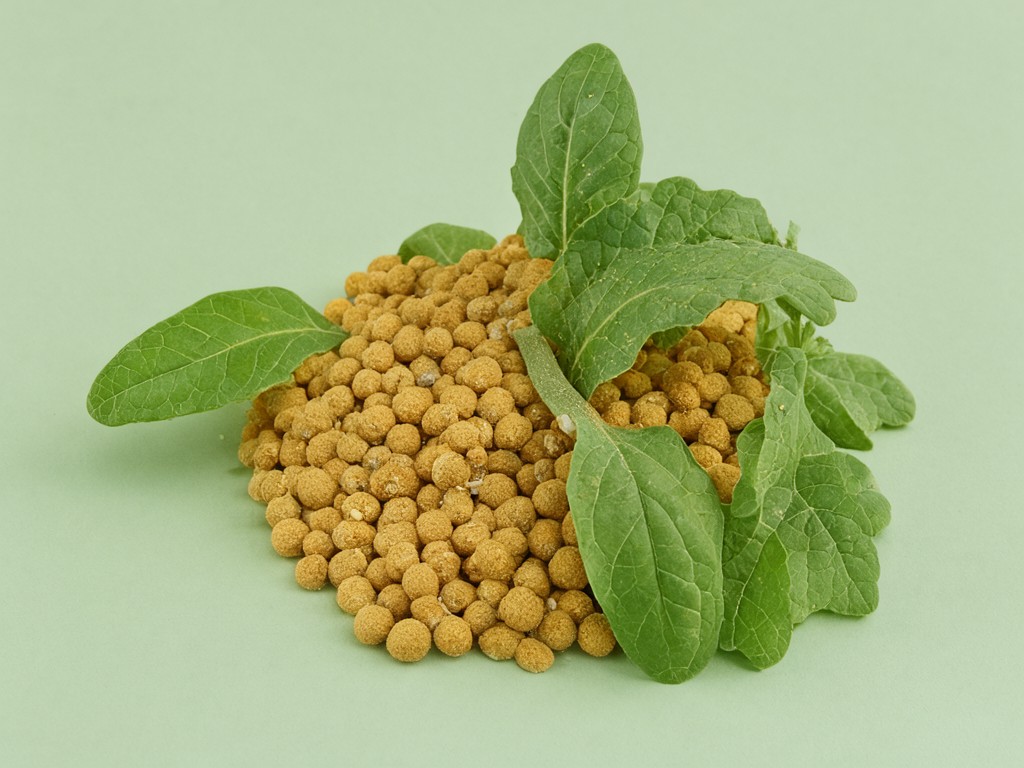
Inspection Items and Test Methods
Factory release testing focuses on three measurable attributes.
A gravimetric moisture uptake test at 25 °C/75 % RH confirms the carrier’s water‑holding capacity; a leaching assay quantifies active ingredient loss after 24 h immersion; and a sieve analysis verifies that 95 % of particles fall within the 2–4 mm range, ensuring uniform spread.
- Gravimetric moisture uptake (24 h, 25 °C/75 % RH)
- Active ingredient leach test (24 h water immersion)
- Sieve analysis (2–4 mm, 95 % pass)
Stock Availability and Reorder Planning
Lead times shrink when the factory holds semi‑finished matrix in climate‑controlled silos.
A typical replenishment cycle runs 18–22 days from order confirmation to FOB shipment; maintaining a safety stock of 15 % of annual volume covers most demand spikes without incurring excess inventory cost.
- Standard MOQ: 5 MT per formulation
- Reorder point: 30 days of projected usage
- Expedited slot: 10 days (subject to silo capacity)
Export Packaging and Handling Protection
Packaging must survive stack heights of 2.5 m and 40 °C container temperatures.
Inner polyethylene liners with a 150 µm thickness block moisture ingress, while outer woven polypropylene sacks rated at 250 g/m² provide tear resistance; pallets are stretch‑wrapped with UV‑stabilised film to prevent degradation during trans‑shipment.
Setup, Use and Replacement Parts
Application equipment calibration is the single biggest field variable.
Spreaders set to 25 kg/ha deliver the labeled dose when particle density is 1.2 g/cm³; a 5 % deviation in spreader setting translates to a 12 % efficacy swing, so operators should verify flow rate before each run and replace worn metering discs every 500 ha.
- Check spreader calibration at start of each season
- Replace metering discs at 500 ha intervals
- Store unused bait in sealed containers ≤25 °C
Call To Action
Request a detailed quotation and sample pack today.
Submit your requirements


