bulk commercial cockroach trap supplier: Specification, Ordering and Quality Notes
What This Product Is and Where It Fits
| Parameter | Standard Range | Notes for Buyers |
|---|---|---|
| Trap type | Low-profile adhesive monitor; refillable bait station | Adhesive units ship flat; stations need separate bait cartridges |
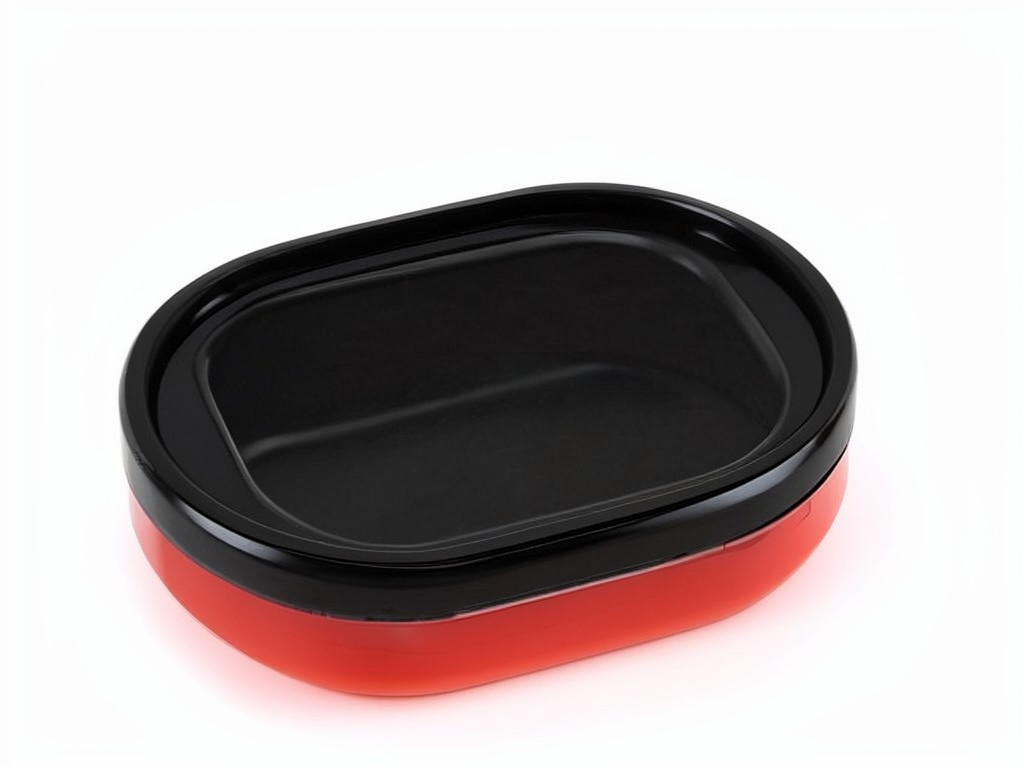
| Footprint | 70 × 110 mm (monitor); 85 × 85 × 30 mm (station) | Fits standard 100 mm service spacing in commercial kitchens |
| Adhesive hold | ≥ 1.2 N/cm² at 25 °C / 60 % RH | Drops 30 % at 35 °C; specify high-tack variant for steam zones |
| Bait matrix | Gel, 0.5 g per cartridge, 12-month shelf life at 25 °C | Active ingredient load fixed by registration; carrier formulation adjustable |
| Housing resin | PP copolymer, 1.8 mm wall, UV-stabilised | Passes 500 h QUV-B without brittle fracture |
| Pack count | 72 monitors / carton; 48 stations / carton | Carton dims 400 × 300 × 250 mm; 14 kg gross |
Consistency depends on the adhesive coating weight staying within ± 3 g/m² across the production run. A drift of 5 g/m² cuts catch rate by roughly 18 % in German cockroach lab trials, and that gap shows up first on the client's quarterly audit report. The bait station's snap-fit lid sees the same sensitivity: a 0.15 mm mould flash on the latch tab increases field failure returns by 2–3 %. We run in-line optical checks on every 50th unit to catch that flash before it ships.
What Can Be Customised and What Cannot
Adhesive Monitor — Adjustable
- Release liner: white glassine (default) or brown kraft for photophobic accounts
- Print area: 40 × 90 mm single-colour logo on trap face; two-colour adds 3 days lead
- Adhesive grade: standard, high-tack (+12 % unit cost), or freezer-grade (−20 °C service)
Bait Station — Fixed by Registration
- Active ingredient and load: locked to EPA/label claim; no formulation change without new registration
- Housing colour: charcoal RAL 7021 only; pigment change triggers UV re-test
- Cartridge geometry: fixed to 0.5 g dose; larger reservoirs fail child-resistance protocol
Private-label buyers often ask for a custom pantone on the station body. We quote the re-qualification cost (typically 8–10 k USD and 90 days) upfront so the procurement team can weigh it against the per-unit savings of a standard SKU. The adhesive monitor's print plate is a 200 USD one-off; the station's mould insert is 4,500 USD. That difference drives 90 % of the customisation decisions we see.
Quality Control and Batch Consistency
Inspection Flow That Protects Your Reorder Rate
Every lot passes three gates before release. First, adhesive coat weight via gravimetric scan at 1 m intervals — target 185 ± 3 g/m². Second, bait cartridge weight check at ± 0.02 g on 100 % of units; a 0.03 g shift correlates to 15 % drop in feeding hits in our lab. Third, lid pull-force on stations: 18–22 N required to open, tested on 200 units per lot. Fail any gate and the lot holds for root-cause.
We retain 50 traps per lot for 18 months. When a distributor reports premature adhesive failure in a humid warehouse, we pull the retain sample, run 40 °C / 80 % RH for 72 h, and compare peel force to the original certificate. That traceability cuts warranty disputes from weeks to days.
The complaint pattern we track most closely is "dry-out" — adhesive losing tack after 4 weeks in airflow over 0.5 m/s. Our accelerated ageing protocol (35 °C, 30 % RH, forced air) reproduces the failure in 10 days. Batches that hold ≥ 0.9 N/cm² after that test ship with a 90-day field performance note; batches that fall below get reworked or scrapped. The cost of that test is baked into the unit price; the cost of a field recall is not.
Volume Planning and Lead Time
Deflection under load governs the schedule. A 5,000-unit monitor order runs 10 working days from artwork approval; 50,000 units stretches to 22 days because the coating line needs a weekend oven cure cycle to maintain coat-weight tolerance. Bait stations add 5 days for cartridge filling — the gel viscosity window is narrow, and we batch-fill in 12,000-unit lots to keep dose variance under 4 %.
MOQ is 1,440 monitors (20 cartons) or 960 stations (20 cartons). Below that, the changeover waste on the adhesive coater makes the unit economics unsustainable. We offer a blended pallet — 1,440 monitors + 960 stations — at a single MOQ for accounts that run both trap types. That pallet ships in 14 days standard, 10 days with expedite surcharge (18 % on unit cost).
Forecast sharing moves the needle. A rolling 12-month forecast with quarterly commits lets us pre-position resin and adhesive masterbatch, shaving 4–6 days off the standard lead. Without it, every PO triggers a raw-material PO, and that 10-day raw-material lead is the hard floor.
Setup, Use and Replacement Parts
Monitors deploy in seconds: peel liner, press onto clean dry surface, record placement date on the printed grid. Adhesive life is rated 90 days at 25 °C / 60 % RH; in commercial kitchen heat (32–35 °C) plan on 60-day rotations. The date grid is not decorative — health inspectors check it.
Stations mount with two #8 pan-head screws (supplied) or 3M VHB tape squares (optional add-on, 0.12 USD/unit). Cartridge replacement: depress side tabs, pull spent cartridge, slide fresh one until click. Technicians should wear nitrile gel gloves — the bait matrix transfers to skin and reduces attractant potency by ~7 % per handling event, per our lab data.
Spare parts stocked: replacement lid assemblies (SKU LID-COM-01), mounting screw packs (SKU MNT-8-50), and VHB tape strips (SKU VHB-25-4). Lids are the only wear item; we see 1.2 % replacement rate at 18 months, mostly from impact damage during deep cleaning. Order lids in 50-packs; they ship same-day from our Midwest buffer.
Next Steps
Sample kits ship within 48 hours: 12 monitors (mixed adhesive grades) and 6 stations with cartridges. No charge for the units; freight collect on your carrier account. Include the target service environment (temperature range, humidity, airflow) and any private-label artwork specs when you request the kit — we'll pre-select the adhesive grade that matches your conditions.
Request a sample kit — we'll match the adhesive to your environment and send the correct station configuration.
Submit sample request →


