Abamectin 106
CAS: 71751-41-2Molecular formula (MF): C49H74O14Molecular weight (MW): 887.11 Melting point150-155°CAlphaD +55.7 ±2° (c = 0.87 in CHCl3)Boiling point717.52°C (rough estimate)Density1.16Vapor
Abamectin Chemical Properties
CAS: 71751-41-2
Molecular formula (MF): C49H74O14
Molecular weight (MW): 887.11
Melting point | 150-155°C |
Alpha | D +55.7 ±2° (c = 0.87 in CHCl3) |
Boiling point | 717.52°C (rough estimate) |
Density | 1.16 |
Vapor pressure | <2 x 10⁻⁷ Pa |
Refractive index | 1.6130 (estimate) |
Fp | 150 °C |
Storage temperature | Sealed in dry conditions; store in a freezer under -20°C |
Solubility | Soluble in DMSO |
Water solubility | 0.007-0.01 mg l-1 (20 °C) |
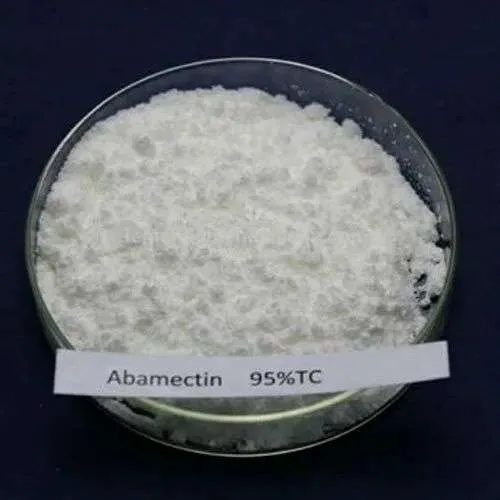
Form | Solid |
Color | White to off-white |
Safety Information
Abamectin safety classification |
Hazard codes: T+N Hazard class: 6.1(a) Packing group: II |
Abamectin Uses
Bio-pesticide applications
Abamectin is a 16-membered ring macrolide compound first developed by Kitasato University in Japan and Merck Company in the United States. Produced through fermentation of Streptomyces avermitilis, it has insecticidal, acaricidal, and nematicidal activity. Natural abamectin contains eight components. Four major components—A1a, A2a, B1a, and B2a—make up ≥80% of the total, while A1b, A2b, B1b, and B2b together account for ≤20%. Commercial abamectin pesticide uses abamectin as its main insecticidal ingredient. Its B1a and B1b components are specified as B1a not less than 90% and B1b less than 5%, and the product is calibrated by B1a content.
More than ten companies in China produce abamectin. Marketed products in the abamectin series include abamectin, ivermectin, and emamectin benzoate. Abamectin is a widely used, competitive biological pesticide in the bio-pesticide market.
Antiparasitic applications
Abamectin is used for the treatment of various nematodes, ticks, mites, fleas, lice, and flies affecting horses, cattle, sheep, pigs, dogs, cats, and other poultry, both internally and externally.
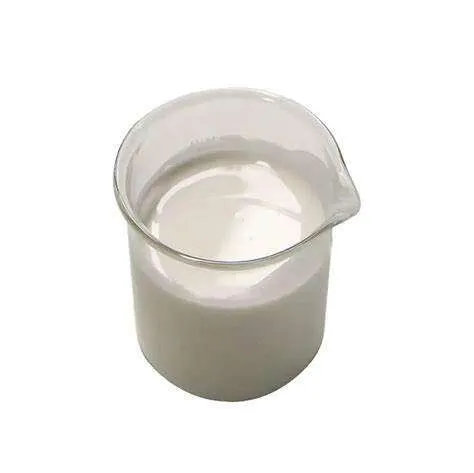
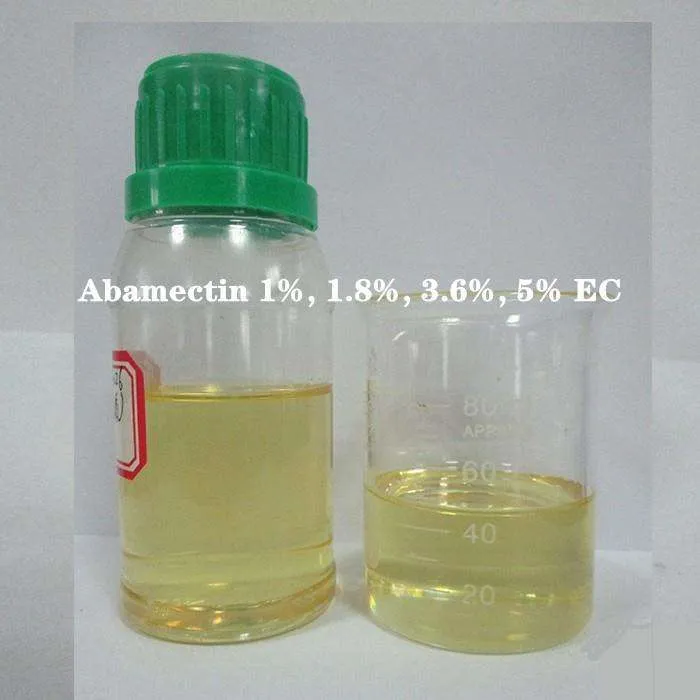
Available Abamectin Formulations
Our supply includes the following abamectin formulations and combination products:



