Diuron 94
Diuron is a substituted urea herbicide supplied in technical and formulated grades. Review the key identification details and physical and chemical properties below. CAS No.: 330-54-1 Molecular
Diuron Product Profile
Diuron is a substituted urea herbicide supplied in technical and formulated grades. Review the key identification details and physical and chemical properties below.
- CAS No.: 330-54-1
- Molecular formula: C9H10Cl2N2O
- Molecular weight: 233.09
Diuron Properties
Melting point | 158-159°C |
Boiling point | 180-190°C |
Density | 1.48 |
Vapor pressure | 2(x 10-7 mmHg) at 30 °C (Hawley, 1981) |
Refractive index | 1.5500 (estimate) |
Flash point | 180-190°C |
Storage temperature | 2-8°C |
Solubility | In acetone: 5.3 wt % at 27 °C (Meister, 1988). |
Form | Solid |
pKa | -1 to -2 (quoted, Bailey and White, 1965) |
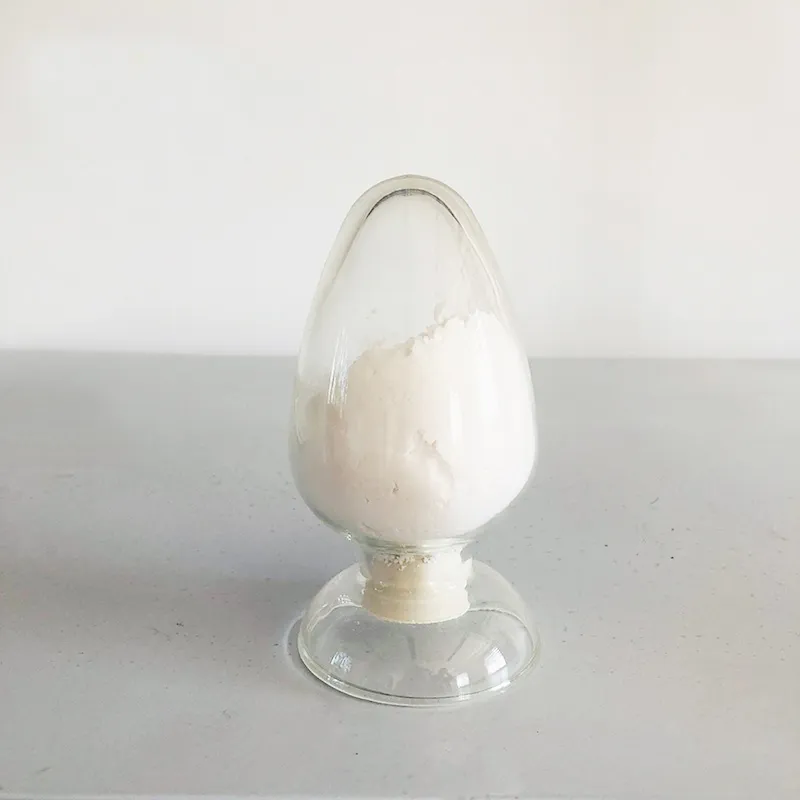
Color | White, odorless crystalline solid |
Water solubility | Slightly soluble. 0.0042 g/100 mL |
Exposure limits | NIOSH REL: TWA 10 mg/m3. |
Stability | Stable. Incompatible with strong acids, strong bases, strong oxidizing agents. |
Risk and Safety Statements
Symbol (GHS) |
|
Signal word | Warning |
Hazard codes | Xn, N, F |
RIDADR | UN 3077 9/PG 3 |
Hazard class | 9 |
Packing group | III |
HS code | 29242990 |


Diuron Chemical Properties and Uses
Diuron is a white crystalline solid or wettable powder used as a herbicide. It is registered for pre- and post-emergent treatment in crop and non-crop areas, and is also used as a mildewcide and preservative in paints and stains, as well as an algaecide. As a substituted urea herbicide, Diuron is used to control a wide range of annual and perennial broad-leaved and grassy weeds.
Its applications include vegetation and weed control in citrus orchards and alfalfa fields. Diuron works by inhibiting photosynthesis. It was first registered in 1967, and products containing Diuron are intended for occupational and residential uses. Occupational applications include agricultural food and non-food crops, ornamental trees, flowers and shrubs, paints and coatings, ornamental fish ponds and catfish production, rights-of-way, and industrial sites. Residential uses include ponds, aquariums, and paints.
Diuron is also used to control mosses, alongside broadleaf and grassy weeds. Applications include non-crop areas and agricultural crops such as fruit, cotton, sugar cane, alfalfa, and wheat. Available formulation types include wettable powders and suspension concentrates.
Available Diuron Grades and Formulations
Our supply includes the following Diuron technical grades, formulated products, and combinations:
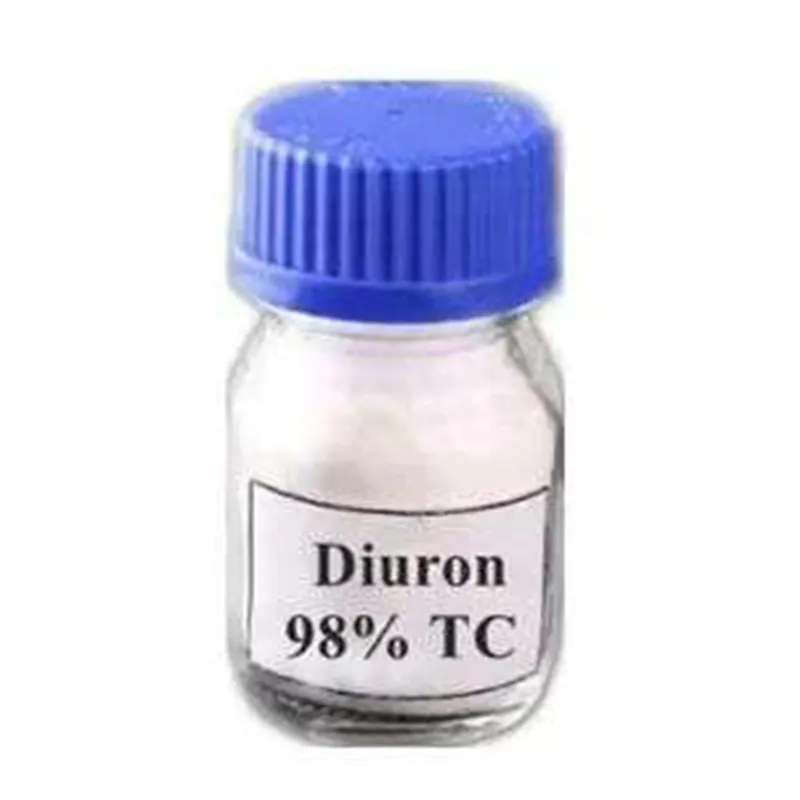
- Diuron 98% TC
- Diuron 97% TC
- Diuron 95% TC
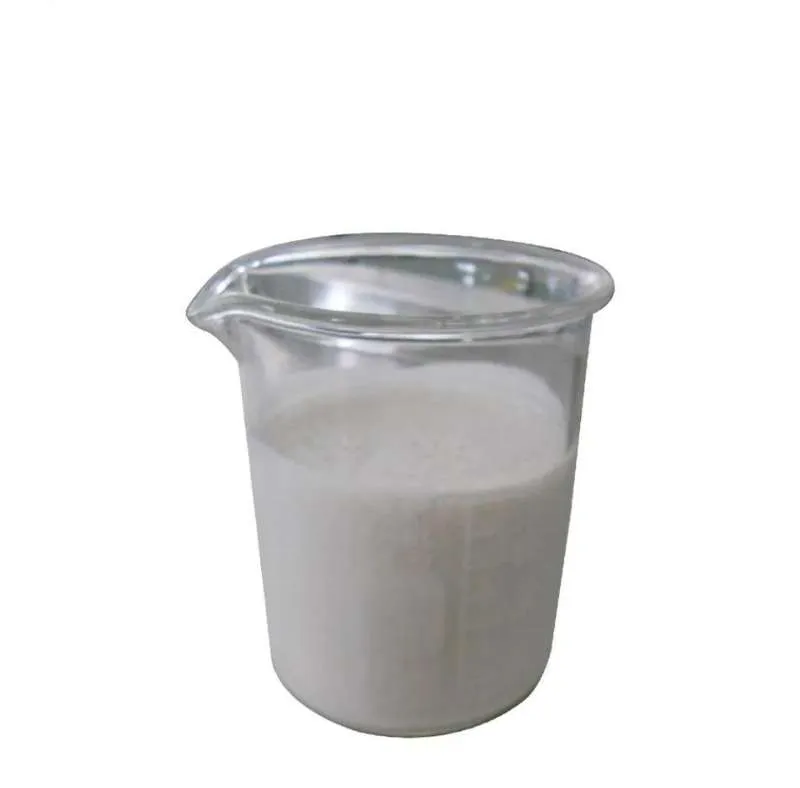
- Diuron 80% WP
- Diuron 80% WDG
- Diuron 40% SC
- Diuron 63% SC
- Diuron 80% SC
- Diuron 15% + MCPA 10% + Ametryn 40% WP
- Diuron 180 G/L + Thidiazuron 360 G/L SC
- Diuron 4% + Thidiazuron 8% OD



