2 4 Dichlorophenoxyacetic Acid
CAS No.: 94-75-7 Synonyms: 2,4-D; 2,4-D ACID; 2,4-dichlorophenoxyacetic Molecular formula: C8H6Cl2O3 Molecular weight: 221.04 Melting point136-140 °C (lit.)Boiling point160 °C (0.4
2,4-Dichlorophenoxyacetic Acid Product Information
- CAS No.: 94-75-7
- Synonyms: 2,4-D; 2,4-D ACID; 2,4-dichlorophenoxyacetic
- Molecular formula: C8H6Cl2O3
- Molecular weight: 221.04
2,4-Dichlorophenoxyacetic Acid Properties
Melting point | 136-140 °C (lit.) |
Boiling point | 160 °C (0.4 mmHg) |
Density | 1.563 |
Vapor pressure | 0.4 mm Hg (160 °C) |
Refractive index | 1.5000 (estimate) |
Flash point | 160°C/0.4mm |
Storage temperature | 2-8°C |
Solubility | Soluble in organic solvents (ethanol, acetone, dioxane) |
pKa | pK1:2.64 (25°C) |
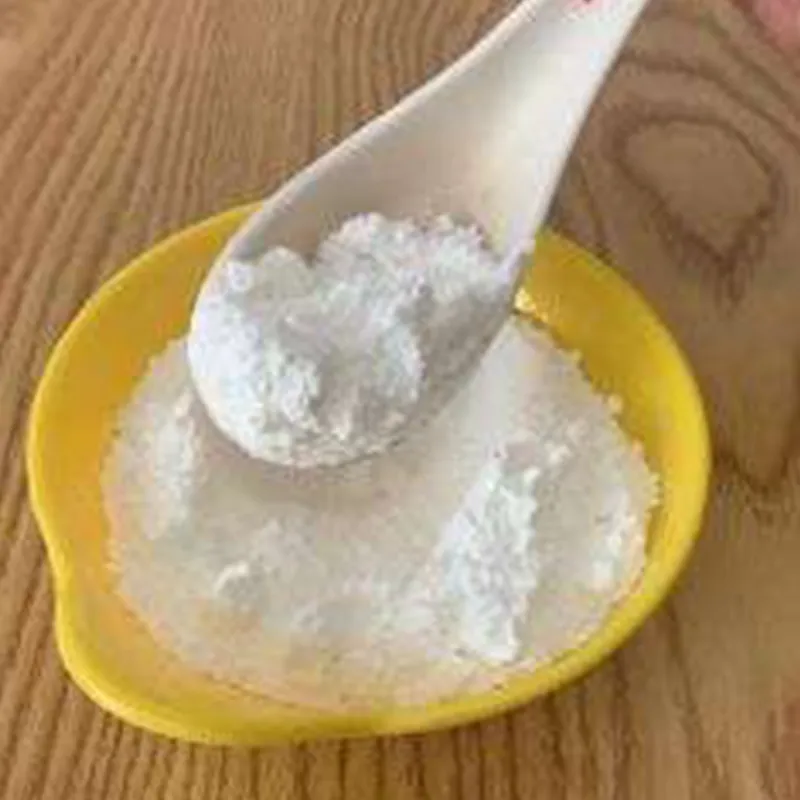
Form | Crystalline |
Color | Off-white to tan |
pH range | Acidic |
Odor threshold | 3.13 ppm |
Water solubility | Slightly soluble. Decomposes. 0.0890 g/100 mL |
Stability | Stable, but moisture-sensitive and may be light-sensitive. Incompatible with strong oxidizing agents and corrodes many metals. Decomposes in water. |
Risk and Safety Information
GHS symbols |
|
Signal word | Danger |
Hazard codes | Xn, Xi, T, F |
RIDADR | UN 3077 9/PG 3 |
Autoignition temperature | > 180 °C |
TSCA | Yes |
Hazard class | 6.1 |
Packing group | III |
HS code | 29189090 |


Chemical Properties and Uses of 2,4-D
2,4-Dichlorophenoxyacetic acid, commonly known as 2,4-D, is a systemic herbicide and one of the longest-established, widely used weed-control chemicals. It selectively controls a range of terrestrial and aquatic broadleaf weeds while generally leaving many grasses—including cereals, lawn turf, and grassland—unaffected when used appropriately. It is applied to manage unwanted vegetation in a variety of settings.
In forestry, applications include stump treatment, trunk injection, and selective brush control in conifer forests. 2,4-D is also used to control weeds and brush along roadways, railways, and power lines, where vegetation may damage equipment or interfere with safe operation. Aquatic weed management applications support boating, fishing, swimming, and the protection of hydroelectric equipment. Government programs may use it to help control invasive, noxious, and non-native weed species, as well as poisonous weeds such as poison ivy and poison oak. In laboratory plant cell culture media, 2,4-D can also be used as a supplement and dedifferentiation hormone.
Available 2,4-D Products and Formulations
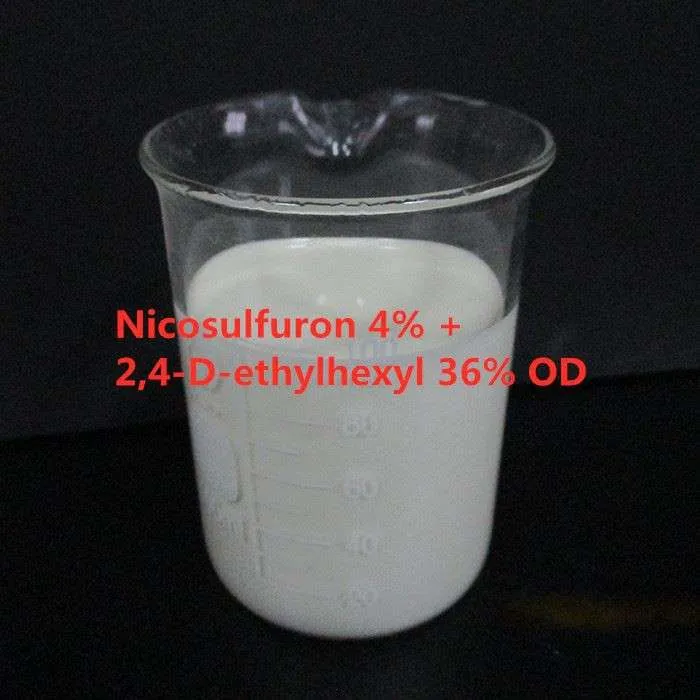
Our supply includes the following 2,4-D technical materials and formulated products:



