Pyraclostrobin 89
CAS No.: 175013-18-0Synonyms: PYRACLOSTROBINE;Molecular Formula:C19H18ClN3O4Molecular Weight:387.82UsesPyraclostrobin is an agricultural fungicide used in seed grass and food crops to help manage
CAS No.: 175013-18-0
Synonyms: PYRACLOSTROBINE;
Molecular Formula:C19H18ClN3O4
Molecular Weight:387.82
Pyraclostrobin is an agricultural fungicide used in seed grass and food crops to help manage fungal diseases.
Pyraclostrobin is a carbamate ester and the methyl ester of [2-({[1-(4-chlorophenyl)-1H-pyrazol-3-yl]oxy}methyl)phenyl]methoxycarbamic acid. This fungicide is used to control major plant pathogens, including Septoria tritici, Puccinia spp. and Pyrenophora teres. It acts as an inhibitor of the mitochondrial cytochrome-bc1 complex and is also described as a xenobiotic, an environmental contaminant and an antifungal agrochemical. Its chemical classifications include pyrazole, carbamate ester, aromatic ether, monochlorobenzene, methoxycarbanilate strobilurin antifungal agent and carbanilate fungicide.
Research has reported that Pyraclostrobin primed tobacco cv. Xanthinc for faster accumulation of antimicrobial PR-1 defence proteins following infection with Tobacco mosaic virus and the wildfire pathogen Ps pv. tabaci. This priming response was associated with enhanced disease resistance (Herms et al. 2002). Increased resistance to pathogenic viruses and bacteria in treated plants has also been observed across several crops and ornamental plants in greenhouse and field studies (Koehle et al. 2003, 2006). In field conditions, Pyraclostrobin-induced priming was also associated with greater tolerance to abiotic stresses, including drought, and treatment increased crop yield. Pyraclostrobin and other strobilurin fungicides have also been linked with a “greening effect” in various crops: delayed leaf senescence and a longer grain-filling period, which can contribute to greater biomass and yield (Bartlett et al. 2002). Together, these findings indicate that, alongside its direct antifungal activity, Pyraclostrobin may help protect plants by priming them for stronger defence responses after subsequent stress. This is consistent with earlier research on Oryzemate®, another commercial fungicide reported to enhance tobacco resistance to Tobacco mosaic virus (Koganezawa et al. 1998) and Arabidopsis resistance to bacterial and oomycete pathogens (Yoshioka et al. 2001). Oryzemate® contains probenazole as its active ingredient, which is metabolized to saccharin in treated plants (Koganezawa et al. 1998). Saccharin appears to elicit priming in plants treated with Oryzemate® (Siegrist et al. 1998).
Melting point 63.7-65.2°
Boiling point 501.1±60.0 °C(Predicted)
Density 1.27±0.1 g/cm3(Predicted)
Storage temperature 0-6°C
Solubility in DMSO: 250 mg/mL (644.63 mM)
pKa -0.23±0.10(Predicted)
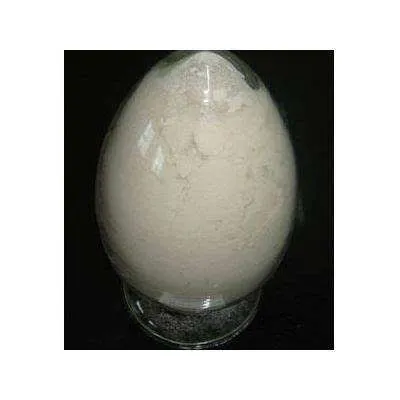
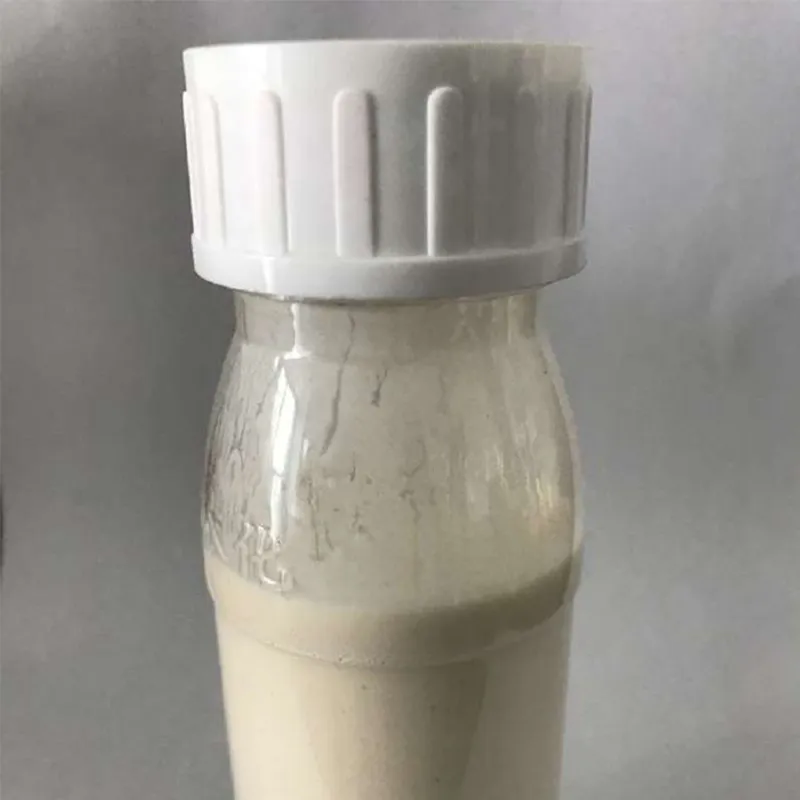
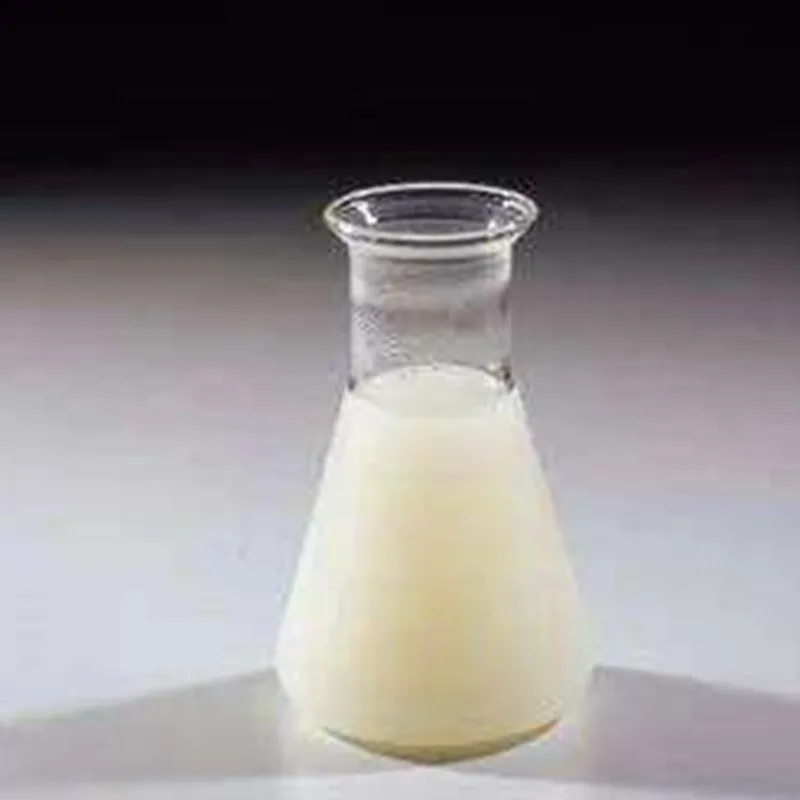
Form: Solid
Color: Off-white to light yellow



