Prothioconazole
CAS No.: 178928-70-6 Molecular formula: C14H15Cl2N3OS Molecular weight: 344.26 Melting point139.1-144.5°Boiling point486.7±55.0 °C (predicted)Density1.50±0.1 g/cm3 (predicted)Storage temperatureInert
Prothioconazole: Chemical Identification
- CAS No.: 178928-70-6
- Molecular formula: C14H15Cl2N3OS
- Molecular weight: 344.26
Prothioconazole Properties
Melting point | 139.1-144.5° |
Boiling point | 486.7±55.0 °C (predicted) |
Density | 1.50±0.1 g/cm3 (predicted) |
Storage temperature | Inert atmosphere, room temperature |
Solubility | DMSO (slightly), methanol (slightly) |
pKa | 6.9 (at 25℃) |
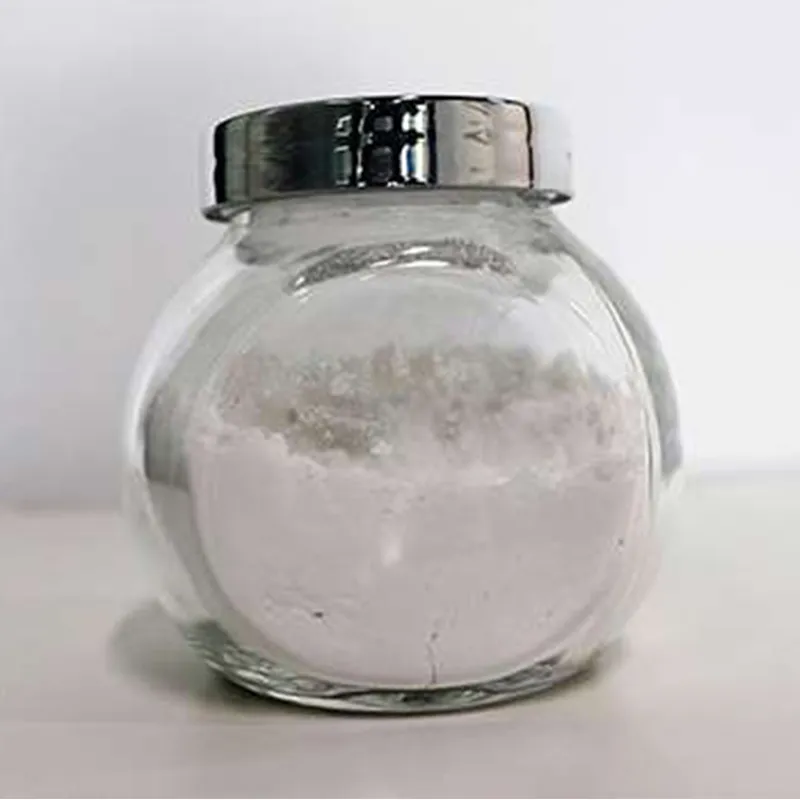
Form | Solid |
Color | White to light yellow |
Risk and Safety Information
GHS symbol | |
Signal word | Warning |
Hazard codes | |
RIDADR | UN3077 9/PG 3 |
HS Code | 2933998090 |

Prothioconazole Uses and Fungicidal Activity
Prothioconazole is a triazolinethione derivative used as a fungicide. It inhibits demethylase enzyme activity and can be used to treat crop infections, including wheat disease caused by the plant-pathogenic fungus Mycosphaerella graminicola.
In agricultural applications, prothioconazole is used to help control fungal diseases in crops such as cereals, fruits, and vegetables. Its mode of action involves inhibiting ergosterol biosynthesis. Since ergosterol is an essential component of fungal cell membranes, disrupting its production can limit fungal growth and reproduction and help protect crops from infection.
Prothioconazole is used on cereals, soybeans, oilseeds, rice, peanuts, sugar beets, and vegetables, with broad fungicidal activity. It is reported to be effective against almost all fungal diseases affecting cereals and can be applied as a foliar spray or used as a seed treatment.
Available Prothioconazole Formulations
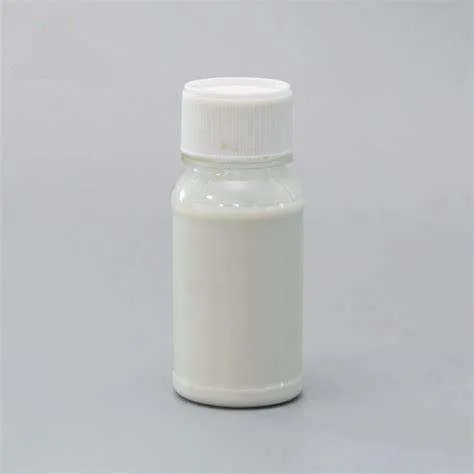
Technical concentrates and liquid formulations
- Prothioconazole 94% TC technical concentrate
- Prothioconazole 95% TC technical concentrate
- Prothioconazole 96% TC technical concentrate
- Prothioconazole 97% TC technical concentrate
- Prothioconazole 98% TC technical concentrate
- Prothioconazole 250 G/L EC emulsifiable concentrate
- Prothioconazole 300 G/L EC emulsifiable concentrate
Suspension, granule, and combination formulations
- Prothioconazole 480 G/L SC suspension concentrate
- Prothioconazole 75% WDG water dispersible granule
- Prothioconazole 30% OD oil dispersion suspension
- Prothioconazole 20% + Tebuconazole 20% SC suspension concentrate
- Prothioconazole 125G/L + Tebuconazole 125G/L EC emulsifiable concentrate
- Prothioconazole 3% + Carbendazim 25% SC suspension concentrate



