Prothioconazole 87
Prothioconazole is a triazolinethione derivative supplied for agricultural fungicide applications. Its chemical identity is described by CAS No. 178928-70-6 and molecular formula C14H15Cl2N3OS, with
Prothioconazole Overview and Identification
Prothioconazole is a triazolinethione derivative supplied for agricultural fungicide applications. Its chemical identity is described by CAS No. 178928-70-6 and molecular formula C14H15Cl2N3OS, with a molecular weight of 344.26. These identifiers provide a clear reference when reviewing product information, comparing technical materials, or assessing a formulation that contains prothioconazole.
The technical information below brings together its listed physical and chemical properties, handling-related storage information, hazard statements, and available product forms. This format helps procurement, product development, and agricultural supply teams review the compound and the supplied formulation options in one place. Product specifications and application details should be considered in the context of the specific formulation selected.
Prothioconazole is used as a fungicide to inhibit demethylase enzyme activity. The supplied description also explains its action through inhibition of ergosterol biosynthesis. Ergosterol is an essential component of fungal cell membranes; disrupting its production prevents fungal growth and reproduction. The information identifies wheat infection caused by Mycosphaerella graminicola as one example of a crop disease use.
Prothioconazole Properties
The property profile below includes the reported melting point and predicted boiling point and density, along with storage, solubility, pKa, form, and color information. Predicted values are identified as such in the source data. These details can support technical review and formulation planning while keeping the reported values distinct from application instructions.
Melting point | 139.1-144.5° |
Boiling point | 486.7±55.0 °C(Predicted) |
Density | 1.50±0.1 g/cm3(Predicted) |
Storage temperature | Inert atmosphere, Room Temperature |
Solubility | DMSO (Slightly), Methanol (Slightly) |
pKa | 6.9(at 25℃) |
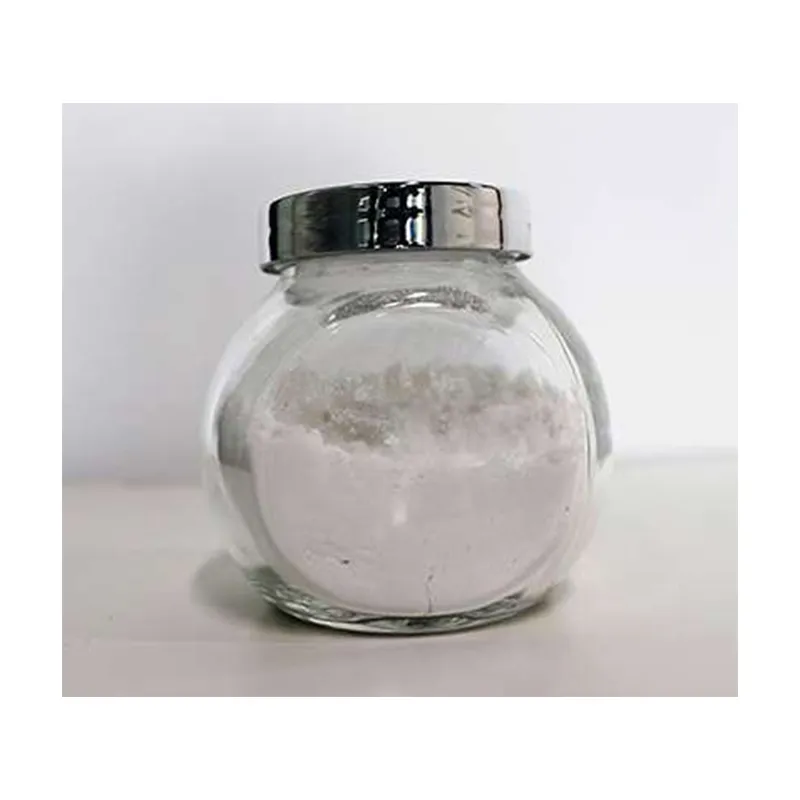
Form | Solid |
Color | White to light yellow |
For handling and stock management, the listed storage condition is an inert atmosphere at room temperature. The compound is described as a solid, with a color range from white to light yellow. Its listed solubility is slight in DMSO and slight in methanol. These characteristics are useful reference points for teams assessing the technical material and planning appropriate product handling and storage procedures.
Risk and Safety Information
Review the risk and transport information provided for prothioconazole as part of product selection, storage, and shipping assessment. The supplied GHS symbol is shown below, with the signal word, hazard codes, transport designation, and HS Code recorded in the accompanying table. Follow the applicable product documentation and regulatory requirements when handling or transporting any material.
Symbol (GHS) | |
Signal word | Warning |
Hazard codes | |
RIDADR | UN3077 9/PG 3 |
HS Code | 2933998090 |

The listed signal word is Warning; the hazard codes are Xi,N. The transport entry is UN3077 9/PG 3, and the HS Code is 2933998090. Keeping these identifiers together makes it easier for buyers and supply-chain teams to refer to the stated classifications during document review. Consult the relevant safety documentation for complete handling, hazard, and transport guidance.
Agricultural Uses and Application Formats
Prothioconazole is widely used in agriculture as a fungicide for controlling fungal diseases in crops. The listed crop groups include cereals, fruits, and vegetables, and its use is also specified for cereals, soybeans, oilseeds, rice, peanuts, sugar beets, and vegetables. The product information describes a wide spectrum of fungicidal activity and excellent efficacy against almost all fungal diseases on cereals.
For crop protection programs, the listed application formats include foliar spray and seed treatment. These options allow the product to be considered for different points in crop management, depending on the selected formulation and its applicable directions. The source information specifically describes use against infection in crops such as wheat caused by Mycosphaerella graminicola, a plant-pathogenic fungus. Always use the applicable product label and local requirements to determine the appropriate crop, application, and use conditions.
The formulation range includes technical concentrates and finished formulation types, as well as combinations with tebuconazole or carbendazim. This range supports evaluation of prothioconazole in different product formats for agricultural supply and formulation needs. The concentrations and formulation descriptions below are stated as supplied.
Available Prothioconazole Products
Technical Concentrates and Single-Active Formulations
- Prothioconazole 94% TC technical concentrate
- Prothioconazole 95% TC technical concentrate
- Prothioconazole 96% TC technical concentrate
- Prothioconazole 97% TC technical concentrate
- Prothioconazole 98% TC technical concentrate
- Prothioconazole 250 G/L EC emulsifiable concentrate
- Prothioconazole 300 G/L EC emulsifiable concentrate
- Prothioconazole 480 G/L SC suspension concentrate
- Prothioconazole 75% WDG water dispersible granule
- Prothioconazole 30% OD oil dispersion suspension
Combination Formulations
- Prothioconazole 20% + Tebuconazole 20% SC suspension concentrate
- Prothioconazole 125G/L + Tebuconazole 125G/L EC emulsifiable concentrate
- Prothioconazole 3% + Carbendazim 25% SC suspension concentrate
The range spans multiple technical concentrate grades, EC emulsifiable concentrates, an SC suspension concentrate, a WDG water dispersible granule, and an OD oil dispersion suspension. Combination options pair prothioconazole with the stated active ingredients and concentrations. This organized selection makes it straightforward to identify the available product type for further technical or commercial review without changing the specified product descriptions.



