Picoxystrobin 88
Picoxystrobin is a methoxyacrylate strobilurin fungicide and a member of the strobilurin analogues. It is intended for broad-spectrum control of cereal diseases and is described as an agricultural
Picoxystrobin Overview and Identification
Picoxystrobin is a methoxyacrylate strobilurin fungicide and a member of the strobilurin analogues. It is intended for broad-spectrum control of cereal diseases and is described as an agricultural fungicide. Its use profile covers important fungal diseases affecting cereal crops, including wheat, barley, oats and rye. The product information identifies Picoxystrobin as a fungicide with both preventative and curative properties, offering a flexible role in cereal disease management when used in accordance with applicable product directions.
The compound is listed under CAS 117428-22-5 and EINECS 601-478-9. Its molecular formula is C18H16F3NO4 and its molecular weight is 367.32. Picoxystrobin is identified by the chemical name methyl (E)-3-methoxy-2-[22(6-trifluoromethyl- 2-pyridyloxymethyl)phenyl]acrylate. These identifiers support product reference, sourcing and technical documentation across commercial and agricultural supply contexts.
Chemical Properties and Handling Characteristics
The following properties describe the supplied technical information for Picoxystrobin. They can help buyers and technical teams identify the material and review its stated physical and chemical characteristics during product evaluation, storage planning and formulation work.
- Melting point: 75°
- Boiling point: 453.1±45.0 °C (Predicted)
- Density: d20 1.4
- Vapor pressure: 34hPa at 20℃
- Storage temperature: Store at -20°C
- Solubility: DMSO : 100 mg/mL (272.24 mM; Need ultrasonic)
- pka: -1.09±0.24 (Predicted)
- Form: Solid
- Color: Light yellow to brown
- Water solubility: 3.25mg/L at 20℃
- Stability: Hygroscopic
The listed solid form and light yellow to brown color provide descriptive identification details. The hygroscopic stability note and specified storage temperature are important considerations for handling and storage. The stated solubility data distinguishes its reported behavior in DMSO and water. For formulation or processing activities, these properties provide reference points for qualified personnel to consider alongside the relevant technical documentation, product instructions and local requirements.
Fungicide Activity and Cereal Crop Uses
Picoxystrobin controls a range of fungal diseases reported on cereal crops. The listed targets include yellow, brown and crown rusts, powdery mildew, sooty mold, net and leaf blotch, and tan spot. These disease targets relate to cereal crops such as wheat, barley, oats and rye. This broad disease-control scope makes Picoxystrobin relevant to agricultural programs seeking coverage across several cereal fungal challenges, subject to the crop, disease and application directions approved for the product.
Its mode of action is described as inhibition of electron transfer in mitochondria. This inhibits fungal respiration, disrupts metabolism and stops the growth of the related fungi. The source describes both preventative and curative properties, so the fungicide has a role in disease-management strategies that address prevention as well as established disease. Product use should always follow the applicable label and regulatory requirements; the information here does not replace crop-specific directions or professional recommendations.
Picoxystrobin may be used as a single fungicide or in combination with other fungicides, including Cyproconazole and cyprodinil. The source highlights the molecule’s redistribution properties, which combine xylem systemicity and vapor phase activity. These properties are considered important to achieving high levels of control across a range of diseases. The description also states that Picoxystrobin enhances grain yield and quality and has favorable safety and environmental profiles. Such product attributes can be considered as part of a broader crop protection program, together with the product label and applicable stewardship practices.
Product Background, Safety and Available Supply
Picoxystrobin was first described by Godwin et al. (33) and was developed by Zeneca Agrochemicals, now Syngenta Crop Protection, for broad-spectrum control of cereal diseases. Its methoxyacrylate strobilurin structure and stated redistribution behavior are part of the technical background behind its agricultural use. In procurement and product selection, the identity, properties, disease-use profile and available formulations provide complementary information for assessing supply needs and intended application context.
Safety and transport information
- Hazard Codes: N
- Risk Statements: 50/53
- Safety Statements: 60-61
- RIDADR: UN 3077
- WGK Germany: 2
- HS Code: 29333990
The supplied safety and transport classifications should be reviewed as part of purchasing, handling, storage and shipment procedures. Users and supply-chain teams should consult the current safety documentation and follow applicable rules for their location and intended use. The hygroscopic nature and specified storage temperature should also be considered when planning material storage and routine stock management.
Available Picoxystrobin formulations
Our supply includes Picoxystrobin in technical material and formulated combinations. The available options listed below support different sourcing and formulation requirements; the stated concentrations and product codes are presented as supplied.
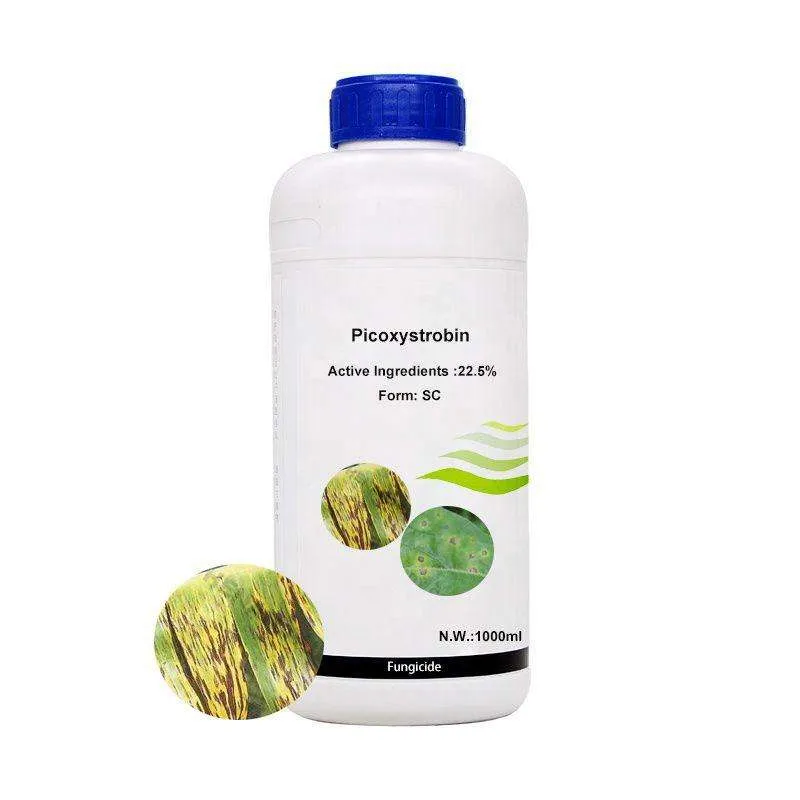
- Picoxystrobin 20%+Tebuconazole 10% SC
- Picoxystrobin 7%+Propiconazol 12% SC
- Picoxystrobin 14%+Thifluzamide 16% SC
- Picoxystrobin 50% WDG
- Picoxystrobin 97% TC
- Picoxystrobin 98% TC



