
Mancozeb 96
CAS No.: 8018-01-7 Molecular formula: C4H8MnN2S4Zn Molecular weight: 332.71 Melting point192-194°C Density1.92 g/cm3 Vapor pressureNegligible at 20 °C Flash point138 °C Storage temperatureAPPROX 4°C
Mancozeb
CAS No.: 8018-01-7
Molecular formula: C4H8MnN2S4Zn
Molecular weight: 332.71
Mancozeb Properties
Melting point | 192-194°C |
Density | 1.92 g/cm3 |
Vapor pressure | Negligible at 20 °C |
Flash point | 138 °C |
Storage temperature | APPROX 4°C |
Solubility | DMSO: 1 mg/mL (1.51 mM); Water: < 0.1 mg/mL (insoluble) |
Form | Solid: particulate/powder |
Water solubility | 6-20 mgl-1 (20 °C) |
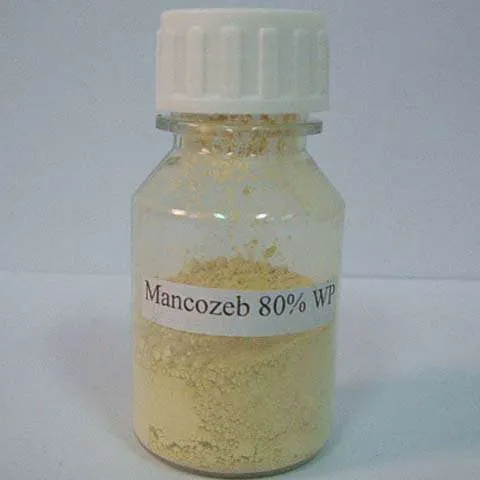
Color | Light yellow to yellow |
Risk and Safety Statements
GHS symbols |
|
Signal word | Danger |
Hazard codes | Xi, N, Xn |
Hazard class | 9 |
Packing group | III |
HS code | 29309090 |


Mancozeb Chemical Properties and Uses
Mancozeb is a fungicide in the ethylene-bis-dithiocarbamate group. It is present in Rondo-M with pyrifenox. Occupational exposure occurs mainly among agricultural workers, including vineyard workers and florists.
Uses
Mancozeb is described as a mixture of Maneb (M163500) and Zineb, forming a manganese and zinc (1:1) complex mixture with an ethylene bis(dithiocarbamate) anionic ligand. It is a foliar fungicide used to protect agricultural crops, with broader and more effective fungicidal activity than either component alone. Mancozeb can also significantly enhance copper activity against several bacterial diseases.
Used as a foliar application or seed treatment, Mancozeb helps control a wide range of pathogens across field crops, fruits, ornamentals, and vegetables. As a contact fungicide, it provides protection against fungal diseases including rots, leaf spot, blight, rust, downy mildew, and scab. Listed uses include field crops, fruits, vines, vegetables, ornamentals, potatoes, turf, berries, rice, citrus, and cereals. It is also used to manage potato blight, leaf spot, apple and pear scab, and rose rust, and for seed treatment of cotton, potatoes, corn, safflower, sorghum, peanuts, tomatoes, flax, and cereal grains.
Available Mancozeb Products
Our supply includes the following technical and formulated grades:
- Mancozeb 85% TC
- Mancozeb 96% TC
- Mancozeb 88% TC
- Mancozeb 80% WP
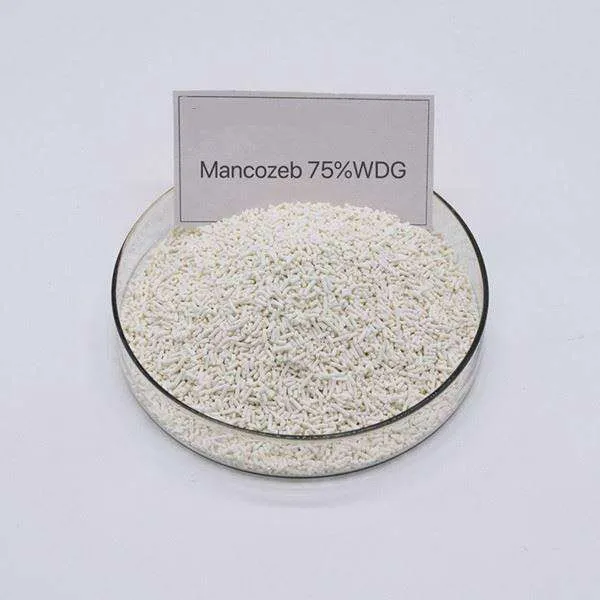
- Mancozeb 75% WDG
- Mancozeb 430g/L SC



