Epoxiconazole 98
Density: 1.4±0.1 g/cm3 Boiling point: 463.1±55.0 °C at 760 mmHg Molecular formula: C17H13ClFN3O Molecular weight: 329.756 Flash point: 233.9±31.5 °C Exact mass: 329.073120 Vapour pressure: 0.0±1.1
Epoxiconazole Chemical and Physical Properties
- Density: 1.4±0.1 g/cm3
- Boiling point: 463.1±55.0 °C at 760 mmHg
- Molecular formula: C17H13ClFN3O
- Molecular weight: 329.756
- Flash point: 233.9±31.5 °C
- Exact mass: 329.073120
- Vapour pressure: 0.0±1.1 mmHg at 25°C
- Index of refraction: 1.659
- Storage condition: 0-6°C
Epoxiconazole Safety Information
- Hazard codes: Xn: Harmful; N: Dangerous for the environment
- Risk phrases: R40; R51/53; R62; R63
- Safety phrases: S36/37-S46-S61
- RIDADR: UN 3077
- HS Code: 2933199090
Chemical Properties and Uses
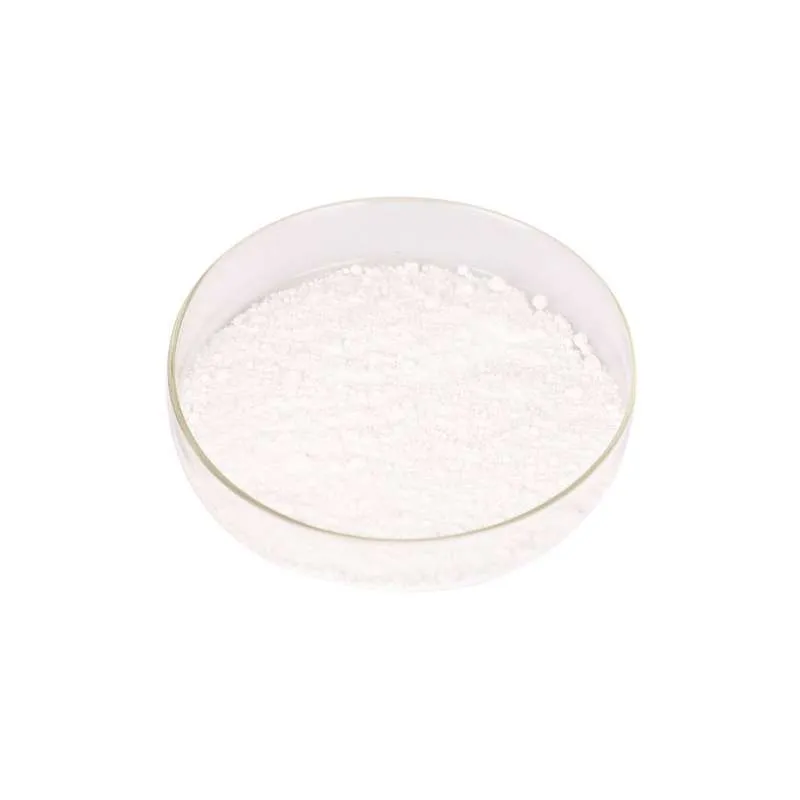
Epoxiconazole (C17H13ClFN3O; CAS number 106325-08-0) is a triazole fungicide. It is described as a white crystalline solid with a faint, sweet odor and is slightly soluble in water. Its structure includes chlorine and fluorine atoms and a nitrogen-containing ring attached to a carbon atom.
The source describes epoxiconazole as having low toxicity to humans and animals, while noting that it may irritate the skin and eyes and is harmful if swallowed or inhaled. Wear protective clothing, avoid direct skin or eye contact, and handle and store it in a well-ventilated area to reduce exposure to fumes. Environmental contamination is a primary hazard; use and handle the product with care to help prevent its spread to soil and water.
Agricultural Applications
In agriculture, epoxiconazole is used to control fungal diseases in crops such as wheat, barley, and rice. It works by inhibiting ergosterol biosynthesis, disrupting an important component of fungal cell membranes. This action helps prevent fungal growth and reproduction and protects crops from disease.
Horticultural Applications
Epoxiconazole is also used in horticulture to manage fungal diseases in ornamental plants and trees. By inhibiting ergosterol biosynthesis in fungal cells, it helps control disease and maintain the health and appearance of ornamental plants.
Epoxiconazole Formulations Available



